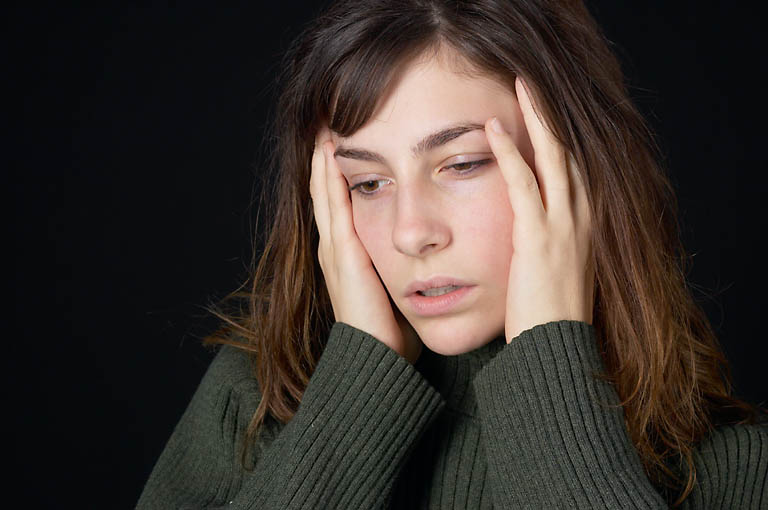
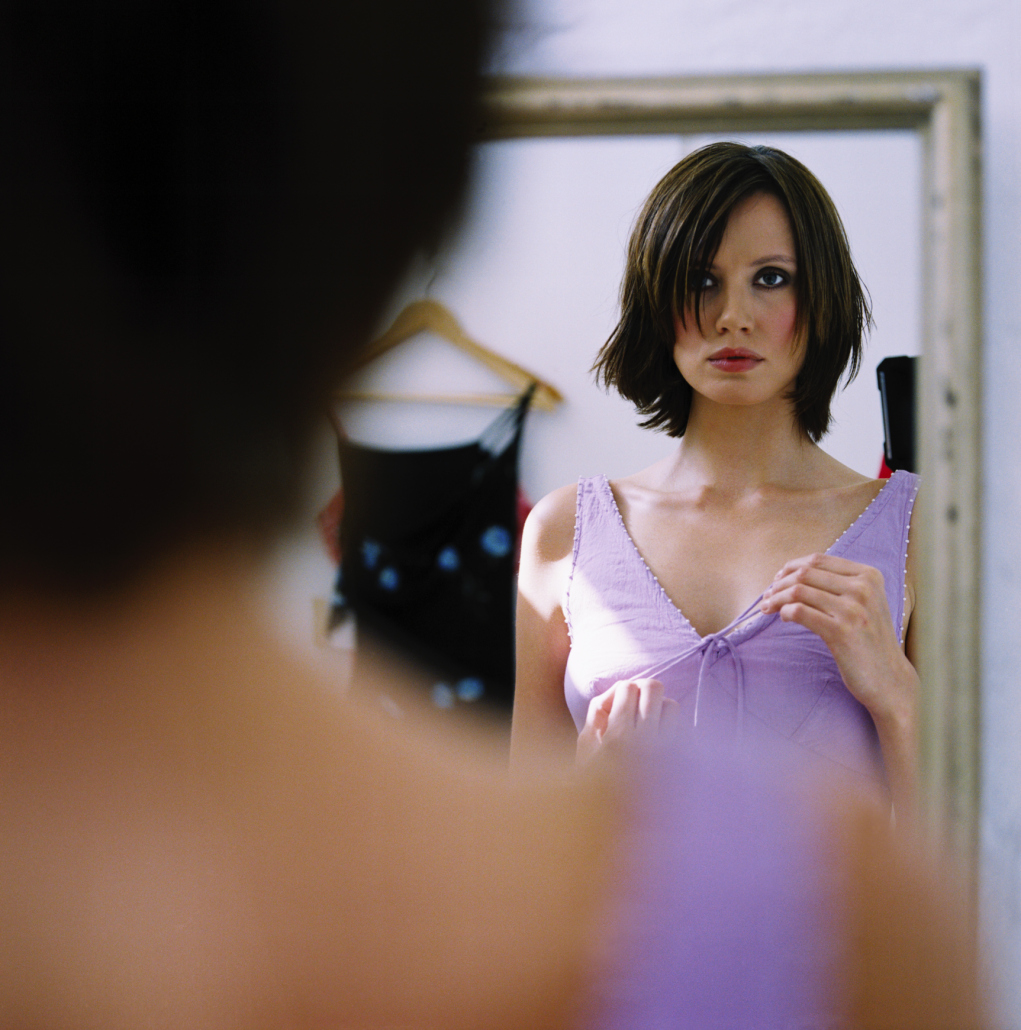
When you look in the mirror what do you see? Do you see a beautiful girl/woman as in the picture below? Or do you see a fat woman/girl? Do you see a healthy man in the picture below or do you see someone very underweight? Because if you have an eating disorder what you are seeing in your mirror is not a true reflection of what you think you look like or who you really are.
Eating Disorders Anonymous: is a fellowship of individuals who share their experience, strength and hope with each other that they may solve their common problems and help others to recover from their eating disorders. People can and do fully recover from having an eating disorder. In EDA, we help one another identify and claim milestones of recovery.
Overeaters Anonymous: offers a program of recovery from compulsive eating using the Twelve Steps and Twelve Traditions of OA. Worldwide meetings and other tools provide a fellowship of experience, strength and hope where members respect one another’s anonymity.
National Eating Disorder Association: The National Eating Disorders Association (NEDA) is the largest not-for-profit organization in the United States working to prevent eating disorders and provide treatment referrals to those suffering from anorexia, bulimia and binge eating disorder and those concerned with body image and weight issues.
Eating Disorder Hope Club: Eating Disorder Hope and MentorCONNECT have collaborated to offer this unique opportunity for eating disorder sufferers to find free support and encouragement from others who are in recovery.
Binge Eating Disorder Association:It affects more than eight million men and women and accounts for three times the number of those diagnosed with anorexia and bulimia together. BEDA is committed to helping those who suffer from binge eating disorder conquer their disorder. So if you or someone you care about lives with binge eating disorder, BEDA can help. If you treat the disorder, BEDA can help.
Multi-Service Eating Disorder Association: (MEDA) is a non-profit organization dedicated to the prevention and treatment of eating disorders and disordered eating. MEDA's mission is to prevent the continuing spread of eating disorders through educational awareness and early detection. MEDA serves as a support network and resource for clients, loved ones, clinicians, educators and the general public.
EATING DISORDERS - This is not just a woman's disorder, men also can have an eating disorder.
What are eating disorders? Eating Disorders is the name given the collection of destructive eating-related behaviors which are practiced by increasingly greater numbers of men, women, and children in the United States and other countries. Most eating disorders resemble one of three main categories:
Anorexia, also known as Anorexia Nervosa, is the term given to people who purposely under-eat. There are a variety of behaviors associated with anorexia, but some of the more common ones are eating very little, or limiting intake to very low-calorie foods (such as carrots, celery, diet soda, water etc.), abusive laxative, diuretic, and/or enema use, compulsive exercising, and self-mutilation. Some anorexics, like bulimics, employ vomiting as a means of controlling unwanted weight gain, but instead of throwing up after a binge (a "pure" anorexic would never binge), the anorexic does it after eating a normal meal, or after eating anything at all. The most obvious symptom of anorexia is extreme thinness, yet even those who become emaciated often believe they are fat.
Someone suffering from Bulimia, or Bulimia, as it is sometimes called, binges on large quantities of food, either regularly or periodically, and then purges the food from his/her body, either by forced vomiting or using laxatives. The bulimic may also be a compulsive exerciser and is often a chronic dieter. He or she may even employ extreme measures, including near starvation, as a means of weight loss between binges. A major characteristic of bulimia is a domineering fear of getting fat, even though many bulimics are at a healthy weight or slightly over- or underweight.
The most common eating disorder is Compulsive Eating/Obesity, the practice of gluttony without undoing the "damage" through purging, laxatives, or exercise. The compulsive or binge eater simply eats too much too often and often makes poor quality food choices. The most obvious outward sign of this disorder is the condition of being significantly overweight or obese.. This person may constantly be eating (compulsive eating) or have episodes of eating very large quantities of food (binge eating) separated by stretches of regular or restricting eating. Many are ashamed to eat in view of others, while others readily eat socially acceptable amounts and types of food publicly, but graze on junk food or gorge themselves in private. Compulsive eaters feel "compelled" (actually "impelled") to eat for an assortment of reasons in addition to, but not limited to, real physical hunger. These people become overweight when they eat more food than their bodies need, and/or else they consistently choose the wrong kinds of food ( high fat/high calorie/high sugar). People who compulsively eat may be very distressed about their food intake and body size or they may seem to not care at all. Some are amazingly unaware of the fact that they have a problem, which is called "denial."
How do you know if you have, or if someone you know has an eating disorder? If you or someone you know easily matches one of the above profiles, the answer is obvious. However, eating disorders are not limited to any set descriptions. Perhaps you have, or the person in question has a different twist, or a blend of symptoms from two or all three classifications. Many people "flip flop" between disorders. Here are two great rules of thumb:
Eating behavior has a cost negatively affecting one or more of the following:
--physical health
--spiritual life
--relationships
--school/job performance
--mental/emotional health
If you’re upset about it, then most likely it’s serious.
Media:
In modern, technologically advanced nations, we now have such widespread and sophisticated media that it is impossible to avoid exposure. Radio, television, books, magazines, fliers, posters, motion pictures, and now the internet inundate us daily with images and criteria of beauty. By way of these same avenues, people, but women in particular, are taught that physical attractiveness, as defined by the powers that be, is our most important asset. A fear is hammered into us day after day, year after year, from the day we are born, that if we are not pretty or handsome or thin, we will not be loved and that we do not even deserve to be loved. What is worse, the inset created by this propaganda has led to a society of people who behave in such a way that many do experience rejection based upon their physical appearance alone.The body has become an idol for many, many people, and the pursuit of thinness or physical excellence a driving obsession.
At some point you have to realize that trying to meet the media's idea of what constitutes beauty is really a "lie". True beauty begins "within you" not "outside of you." And the reality is, when you feel good about yourself on the "inside" you will also feel good about yourself on the "outside" and food will loose it's control over you to make yourself feel complete.
Most people overeat because they are upset about something, which is called "emotional eating" meaning we are not eating because we are hungry, but because we are upset and feel empty, not loved, neglected, or alone. Food is a "pacifier" that gives us temporary comfort from the pain of facing something that is or was painful for us.
The best way to help you overcome your eating disorder is to seek out a personal relationship with God, who will actually show you how to feel better without the crutch of food. While we need food to stay alive, we do not need it to become our "GOD." If we allow food to become our "GOD" and the object of our worship and desire, then we have replaced our love for God with our love for food. Food has now become our "Idol."
In the case of anorexia, which is a lack of food, we are still putting food at the center of our universe. Because we are putting our emphasis on our outside appearance rather than the real beauty which is the "inner beauty" of a woman who is gentle in spirit and loving in a non-selfish, uncontrolling manner which is "true beauty."
They say that "beauty is in the eyes of the beholder" but what they leave out is the fact that the "beholder" also has to know what is truly beautiful. It all comes down to being genuine or being superficial. There are many beautiful women in this world, but after you get to know them they are ugly on the inside. Some handsome men are the same way. True beauty begins from the inside out, not from the outside in. The beauty of a beautiful "spirit" is much more attractive than the beauty of the physical body. The spirit lasts forever, the body for just a short time and then it is gone.
Why not put your emphasis on beautifying your spirit? When you can do that, you will look beautiful in all the ways that a person should be beautiful.
When you discover what you are really upset about, food or the lack of it will loose it's power to control you. If you are suffering from an eating disorder and know that you need help overcoming it, then please do not hesitate to contact me by doing the following:
For futher information and help on eating disorders, please go to the following link:
We accept PayPal and all other major credit or debit cards. Once you hit the PayPal button it will allow you to pay with PayPal or another major credit or debit card. No PayPal account is required.