Comijs, H.C., Pot, A.M., Smit, H.H., & Jonker, C., (1998). "Elder abuse in the community: Prevalence and consequences. Journal of the American Geriatrics Society, 46, 885-888.
Kivela, S.L., Kongas-Saviaro, P., Kesti, E., Pahkala, K. & Ijas, M. L. (1992). "Abuse in old age: Epidemiological data from Finland. Journal of Elder Abuse & Neglect, 4(3), 1-18.
Lachs M.S., et al.(1998). The mortality of elder mistreatment. Journal of the American Medical Association,280, 428-432.
National Center on Elder Abuse (1998). National elder abuse incidence study: Final report. Washington, DC: American Public Human Services Association in collaboration with Westat, Inc. The study is available online.
Pillemer K., & Finkelhor D.(1988). The prevalence of elder abuse: A random sample survey. Gerontologist, 28, 51-57.
Podnieks, E., Pillemer, K., Nicholson, J., Shillington, T. & Frizzel, A. (1990). National survey on abuse of the elderly in Canada: Final report. Toronto: Ryerson Polytechnical Institute.
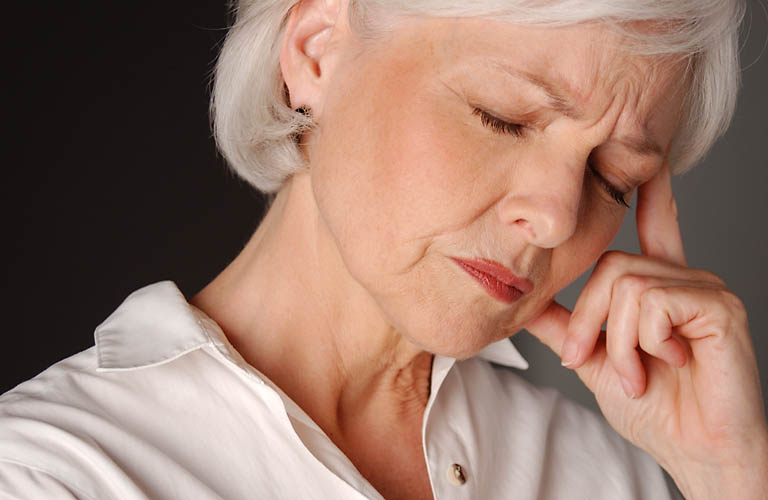
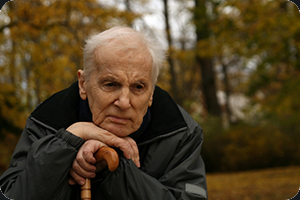
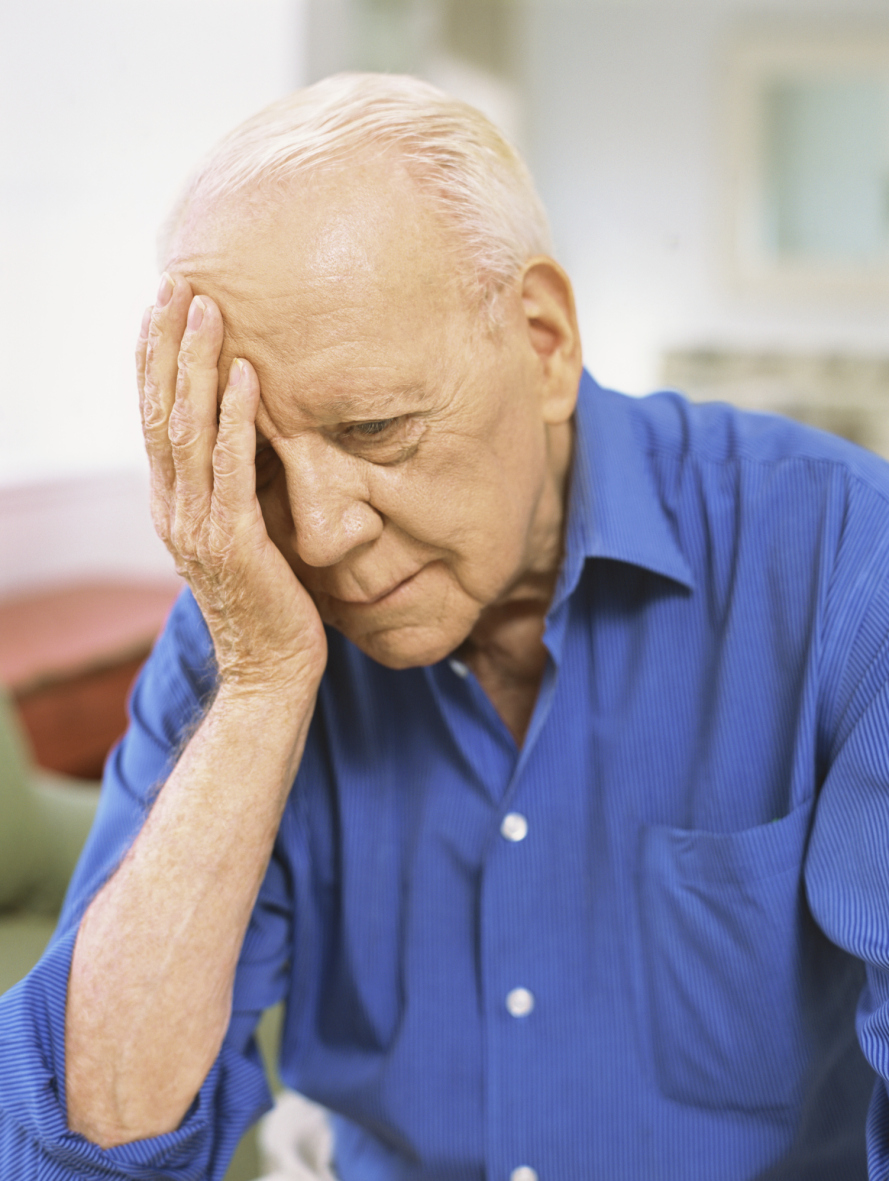
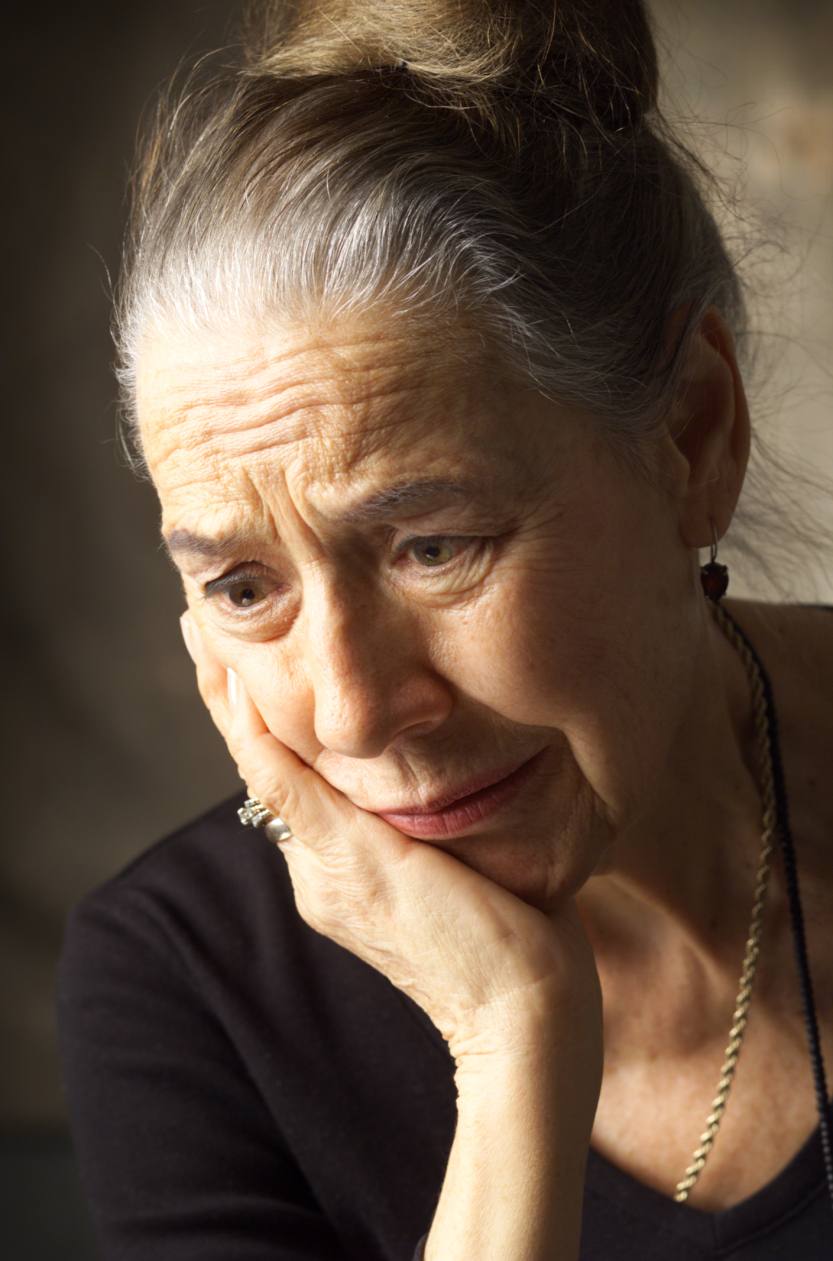
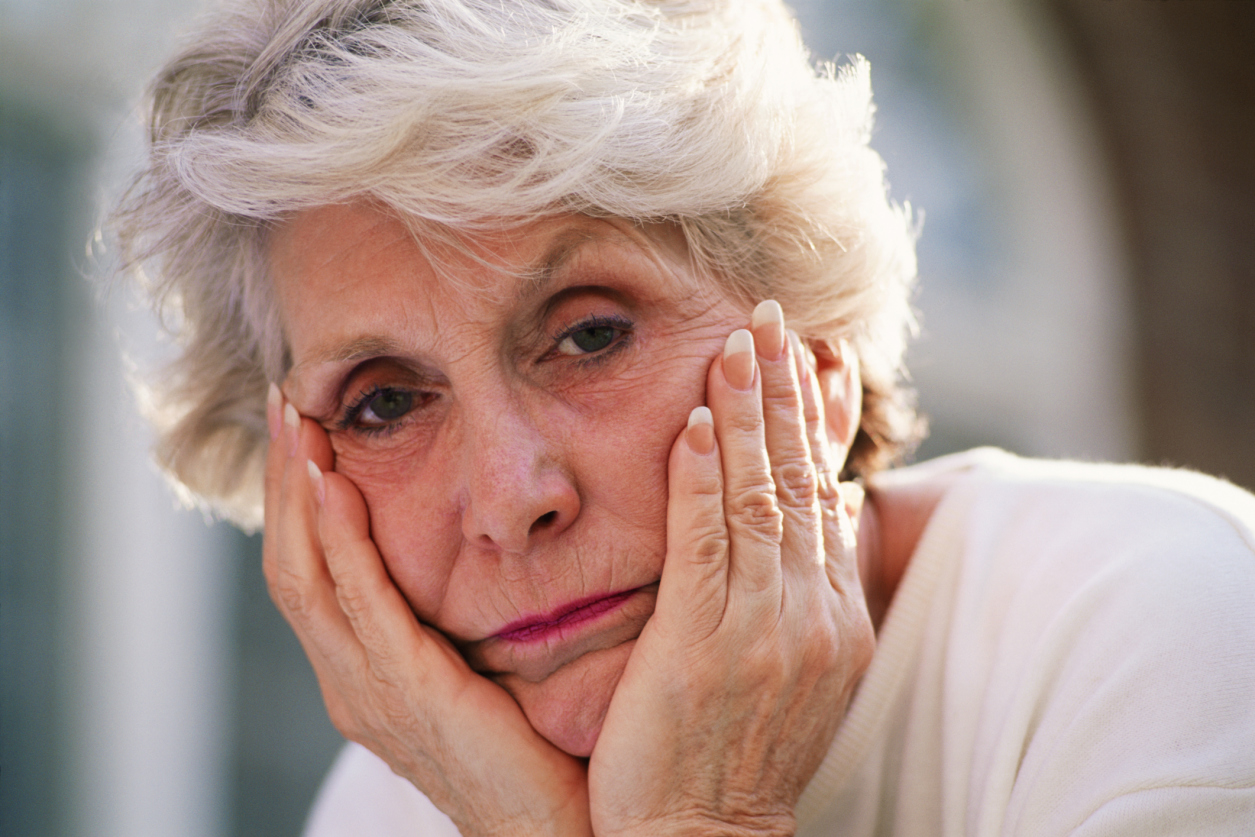
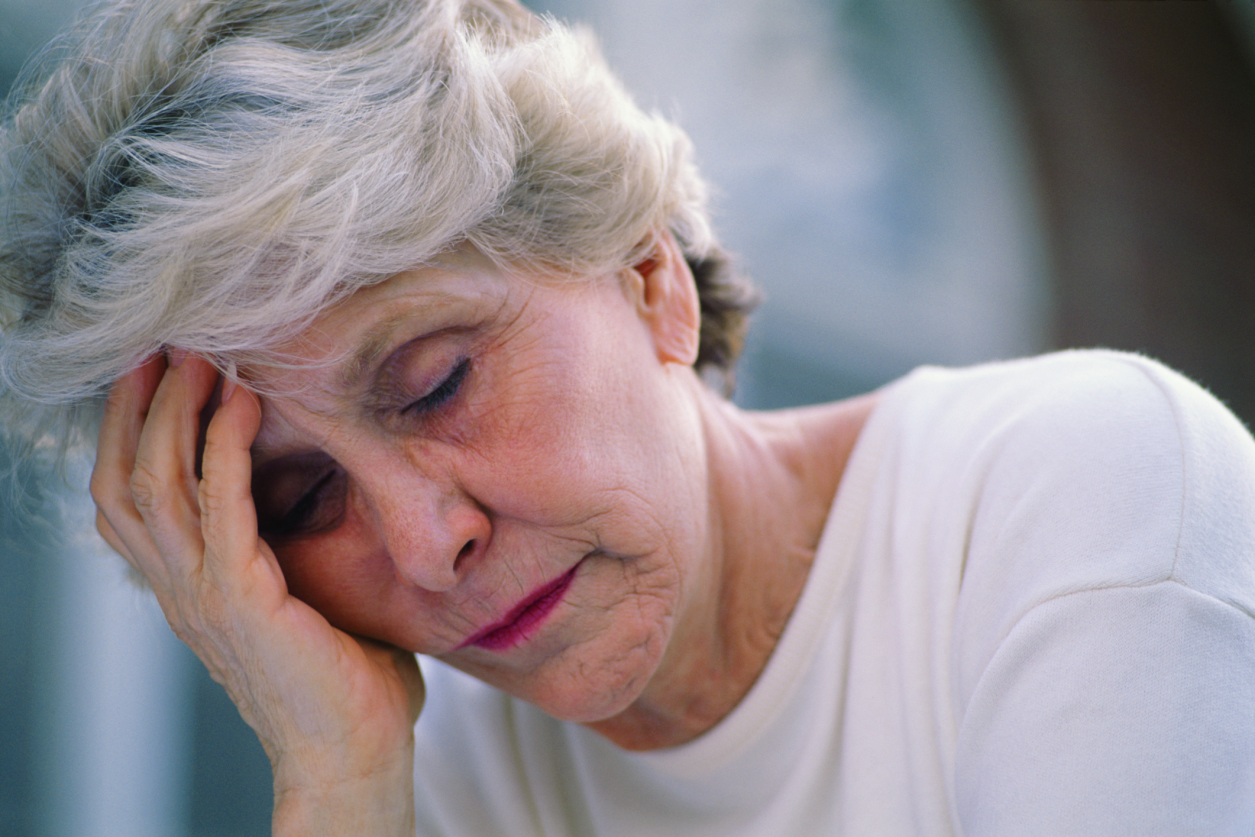
Most people do not know that there is such a thing as "elder abuse" but unfortunately there is. In fact, it is growing at an alarming rate. And the worst offenders are the older person's own children or another member of the family. Jesus even said that in the last days, "children would rise up against their own parents." And all one has to do is watch court TV and you will find cases of children murdering their own parents or even their own grand-parents.
I think this is just another sign that our society is changing in a significant way. We are becoming more and more violent and it takes more violence to hold our attention. Movies show no limits, video games teach children how to kill cops and other children, high schools are places of shooting sprees, etc. The list is endless. And children are increasingly showing less and less respect for their parents.
But elderly abuse is abhorrent. Nothing could be worse unless we started abusing babies. For the elderly are really like children again. Many of them become completely dependent on their children for food, shelter and protection. And when you become physically handicapped, as many elderly are, you have to have help.
What Are The Signs And Symptoms of Elder Abuse?
Experts note that there are some signs of abuse, neglect or exploitation which might alert family members, concerned friends or professionals to the possibility of problems. No one should jump to conclusions, but signs and symptoms should be taken seriously. What sometimes seems to be self-neglect often turns out to be elder abuse.
Some signs to pay attention to:
1.) Discrepancies between a person's standard of living and his/her financial assets, or a depletion of assets without adequate explanation. Money or personal items such as eyeglasses, jewelry, hearing aids, or dentures are missing without explanation,
2.) Malnourishment and inadequate physical care, including dehydration or lack of food, poor hygiene, urine sores, or bed sores, or over-sedation.
3.) Physical injuries, such as bruises, burn marks, welts, rope burns, tufts of hair missing, broken bones, none of which can be adequately explained.
4. ) Withdrawn, apathetic, fearful, or anxious behavior, particularly around certain persons. The victim may suddenly and without explanation express a desire not to visit or receive visits from family or friends.
5.) Medical needs not attended to.
6.) Sudden, unexplained changes in the victim's living arrangements, such as a younger person moving in to "care for" them shortly after meeting.
It is frequently very difficult to detect abuse. Typically, abusive behavior occurs in private and the victim may be unwilling or unable to describe the attacks. When reports are made, they are frequently not believed. If you are being abused, or if you think someone else is being abused, tell the police. If it is an emergency, dial 9-1-1. The Elderly Abuse Hotline is: 800-992-6978.
We accept PayPal and all other major credit or debit cards. Once you hit the PayPal button it will allow you to pay with PayPal or another major credit or debit card. No PayPal account is required.
The Checklist for Aging in Place
https://www.care.com/c/stories/5432/a-checklist-for-aging-in-place/ Moving an Aging or Disabled Parent Into Your Home:
4 Things You Should Know https://www.homeadvisor.com/r/moving-in-aging-or-disabled-parent/
Emergency Preparedness Guide for the Elderly and Disabled https://www.thezebra.com/insurance-news/4674/emergency-preparedness-seniors-disabled/ Home Modifications Increase Senior
Safety https://www.angieslist.com/articles/home-modifications-increase-senior-safety.htm Assistive Technology Buying Guide for Seniors and their Caregivers
How to Make a Loved One's Final Days at Home Comfortable https://www.redfin.com/blog/peaceful-passing-a-loved-ones-final-days-at-home Substance Abuse and Caregiving: When to Ask for Help for Your Own Health and Well-Being
http://www.drugrehab.org/caregiver-substance-abuse/ Tips to Declutter and Organize Your Home for Seniors